









It looks like the weather front capable of bringing the curtain down on this “summer” really is on its way.
After a drop in temperatures and a snowfall that had raised our hopes, the heat made itself felt again, preventing the high-altitude ski areas from scheduling the opening of their lifts. A mid-August kind of heat, which over these weekends packed the mountains with people, not to go picking mushrooms and chestnuts, but to go mountain biking and trekking thanks to the almost summery temperatures.
Temperatures should start to fall on Friday, when a front of Arctic origin will reach the Alps, bringing with it a temperature drop of 10 degrees which, according to the experts, is set to last.
It could be the front that marks the beginning of real autumn, and of winter at the highest altitudes. Although the glaciers were able to benefit from the snowfall of September 18-19, temperatures have settled well above average (+8 degrees), preventing operators from sitting down at the table to plan the start of the 2011/2012 winter season.
The ski areas that have already started the 2011/2012 winter season are few, and they are all on the other side of the Alps. In particular, the names that crop up are Stubai and Hintertux, where you have already been able to ski for a few weeks, while other ski areas are waiting to see how the situation develops before deciding whether or not it is worth kicking off the winter season.

Snow on the border mountains
The front will reach Italian skies during the night between Friday and Saturday, bringing precipitation on Saturday and Sunday. The current temperature is 8 degrees above the seasonal average; with this cold flow it will drop to 2 degrees below average, resulting in a swing of a good 10 degrees (in just two days).
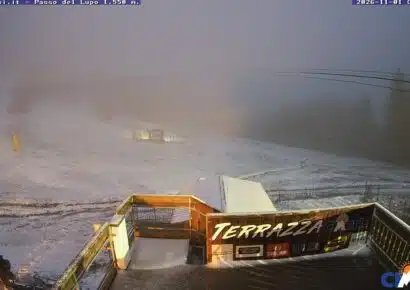
The plunge in temperatures will bring snow above 1,000 m in the Alps, but not in every resort. The heaviest snowfalls will affect the border areas to the north, while those further south (in particular the Pre-Alps) could miss out on the arrival of the white stuff. Snow will almost certainly whiten the mountains of South Tyrol and the north of the Aosta Valley, while the resorts of Trentino and Veneto could be left without snow.
According to the forecasts, the accumulations will not be very substantial; what will make the difference, however, is the cold, which will definitively change the climatic situation of the Italian mountains.
After this Arctic spell, temperatures will rise slightly again, staying within the normal range for the period, which will make it possible to set the dates for the high-altitude ski resorts and get the first days on skis under way (at least on the glaciers).


No comments yet