







On the last weekend of January we headed up to Valle Isarco for the ATOMIC and SALOMON ski tests scheduled on the slopes of the Gitschberg Jochtal ski area.
We discovered a different side of Alto Adige here—less famous than the one most frequently promoted (with Dolomite peaks towering over endless ski runs), yet every bit as captivating.
Perhaps it is precisely this aura of mystery that makes this ski area so distinctive, located just a few kilometers north of Bressanone and nestled in the heart of the Alto Adige mountains where the valleys end and give way to steep slopes.

Gitschberg-Jochtal Lifts and Slopes
For those unfamiliar with it, the Gitschberg Jochtal ski area overlooks the town of Rio di Pusteria, while its two ski centers are based around the villages of Maranza and Valles, situated in two separate valleys.
There are 44 km of alpine ski slopes split between the two ski resorts of Jochtal and Gitschberg; linking the two areas is a modern gondola that runs from the center of Valles up to high altitude and connects with the flank of Monte Cuzzo, where the slopes of Maranza unfold.

Jochtal lays out its ski slopes mainly at high altitude, featuring runs of varying difficulty and trails to suit every taste; the most thrilling descents drop from the high-altitude lifts all the way down to the valley floor, with a vertical drop that delivers both a great pitch and a satisfying run length.
Up here above 2,000 meters, vegetation is sparse and the ski slopes are very wide, offering great freedom of movement and safety on the way down. Along all the runs, you will come across mountain huts and lodges where you can take a break between runs.
East of Valles—specifically north of the village of Maranza—lie the slopes of Gitschberg, rising from 1,300 meters to the summit of Monte Cuzzo at 2,500 meters of altitude. At this elevation, a magnificent panorama opens up over the Valleys of Alto Adige, the peaks of the Dolomites, and the Austrian Alps.
Reaching high altitude is effortlessly convenient thanks to modern ski lifts all interconnected ski-to-door. This applies to both sides of the ski area and even to the town of Rio di Pusteria, thanks to a cable car linking it directly to the ski slopes.

Compared to Jochtal, the runs at Gitschberg are longer and, if possible, even wider. The red runs descending from the summit are ideal for anyone looking for a rush of adrenaline, and their length allows for a continuous, uninterrupted descent that guarantees plenty of fun.
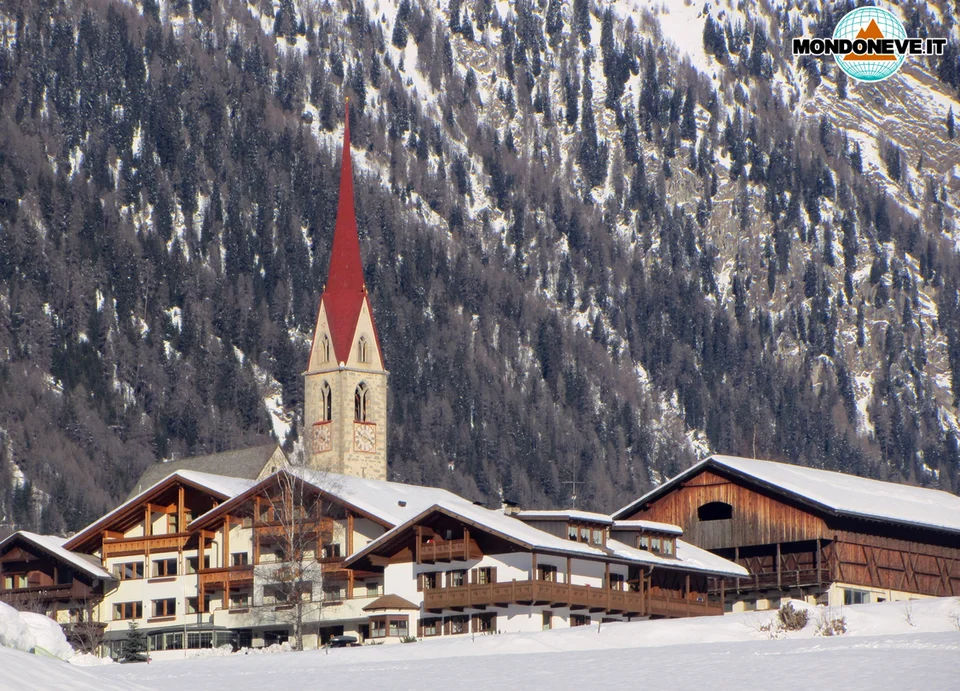
Snow cover is guaranteed by an elevation well above 2,000 meters and the area’s exposure to weather systems coming in from Austria. Across the entire area there are numerous Alpine huts and lodges where you can treat yourself to a break—all well-kept and modern, showcasing classic Alpine architecture in natural wood and stone.
The area also offers several ideal spots for freeriding, although great care must be taken around certain zones marked for avalanche risk.

Beyond skiing, unspoiled nature
Anyone used to skiing in large resorts will immediately notice one thing: the Jochtal-Gitschberg ski area offers 44 km of ski slopes, yet it could offer even more. The terrain across which the ski resorts spread is vast and there is room to create additional runs, yet local tourism operators clearly prefer to keep certain areas untouched by human intervention.
This is especially evident in the fact that you can hike to tiny hamlets made up of traditional farmsteads and mountain huts that have remained just as they were in the past, untouched by modern development—true corners of paradise far removed from the hustle and bustle of mass tourism.

From the village centers, trails wind deep into nature where a special atmosphere prevails: the snow muffles every sound and the silence lets both your feet and your mind wander into complete relaxation. Once you reach your destination, the view of the landscape lifts the spirit and all fatigue vanishes before the spectacle of nature.
Hospitality and excellent value for money
Both the village of Valles and that of Maranza are impeccably maintained; getting around is easy, and both villages feature the classic Alto Adige style.
This enviable quality is naturally reflected in the hotel hospitality as well, which is always top-notch; for instance, we stayed at the Hotel Valserhof, where we found clean, warm rooms in classic Alpine style—not to mention morning breakfast with delicious dark bread accompanied by every imaginable treat!
Almost all hotels in this area feature excellent wellness centers where you can unwind after returning from the ski slopes.

It is also worth saying a few words about the financial aspect. Gitschberg-Jochtal cannot be called a low-cost ski resort—nor could it be, given the high standard of services provided (such as comfortable, fast ski lifts)—yet compared to other parts of Südtirol it boasts more competitive prices. The range of hotels is wide, and the cost of a holiday in this area is definitely more affordable than in other ski areas.

Recommended Resort
The combination of skiing, snowboarding, snowshoeing, and sledding makes Gitschberg-Jochtal a ski resort capable of offering entertainment for every taste—a wonderful way to experience the beauty of the mountains.
The care and respect for the land without overly invasive human development preserves the charm of unspoiled nature, while the signature hospitality of the people of Alto Adige and the quality of the services provided round out everything you could ask for in a snow holiday; for us, this has become a highly recommended ski resort!
For more information, you can visit the official website: www.sci-gitschberg-jochtal.com


No comments yet