









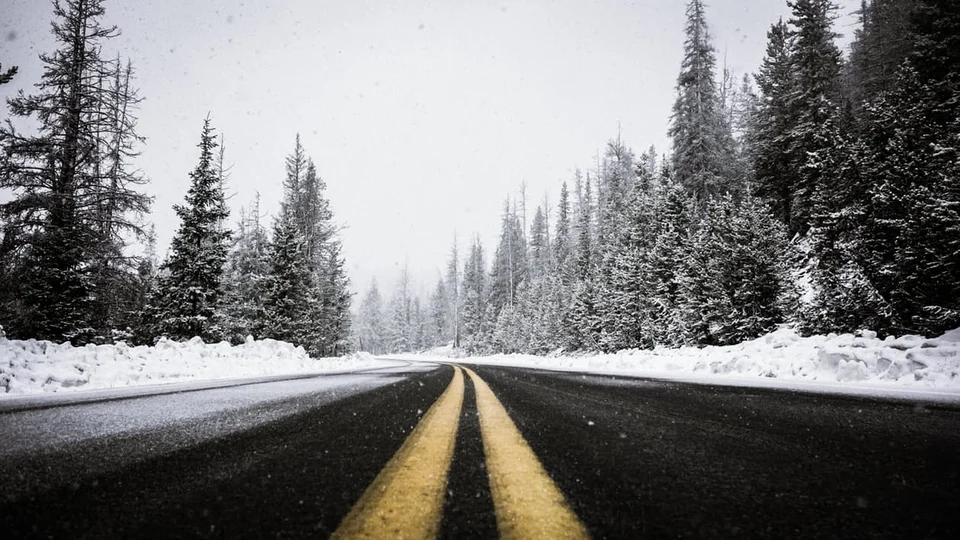
The arrival of winter is a joy for many skiers, snowboarders, and snow enthusiasts in general, but it also marks an important date for motorists, who must comply with ordinances requiring drivers to carry snow chains on board or fit winter tires on their cars.
This requirement comes into force on November 15, as established by the 2013 Ministerial Directive, regardless of weather conditions and/or the presence of snow on the ground, and generally remains in effect until April 15.
The validity period of the requirement may be extended in areas with specific weather conditions and where local ordinances are in force.
For example, in the Aosta Valley, understandably, the winter tire requirement begins a month earlier than in the rest of the country—meaning that to drive on Aosta Valley roads you must carry snow chains or have winter tires fitted starting October 15. This date is also adopted by several mountain areas through specific ordinances.
How are the ordinances enforced?
The ordinances apply outside built-up areas. Municipalities may adopt identical measures within built-up areas. Road signs indicating the ordinances must comply with regulations. The ordinances apply to motor vehicles, excluding two-wheeled mopeds and motorcycles, which are not permitted to circulate when there is snow or ice on the road and/or during snowfall. Winter tires must be type-approved, and fitting them on all four wheels is recommended.
Snow tires, thermal tires, and winter tires: which to choose?
Snow tires, thermal tires, or winter tires are simply different terms used to describe winter-type tires which, by law, do not require the fitting of additional traction devices (snow chains or similar). They are identified by the M+S marking on the tire sidewall (a manufacturer’s self-certification) and optionally by an additional Alpine symbol (a 3-peak mountain with a snowflake inside), which certifies that the tire has passed a specific snow type-approval test.
Are “all-season / 4-season” tires acceptable as well?
Well-known “All season”, “4-season”, “all weather”, “multipurpose”, and “multiseason” tires are commercial designations to which each manufacturer assigns specific technical features.
Provided they bear the M+S marking, they are legal for driving where ordinances are in force.
However, for further details it is advisable to consult each individual manufacturer’s catalog.
Fines up to €318
For offenders, the administrative fine set by the Highway Code is €84; however, if paid within five days it is reduced to €58, while inside built-up areas the fine is €41.
For those violating the rule on motorways, the fine ranges from €80 to €318 and entails a deduction of 3 points from the driver’s license.
Complying with the law pays off
Complying with the requirement to have winter tires fitted or carry snow chains on board pays off not only because the cost of a fine is enough to buy a good pair of snow chains (see the best-value deals), but above all because it allows you to drive safely on the road and avoid accidents, which are always just around the corner when snow or ice is present.
source: assogomma


No comments yet